
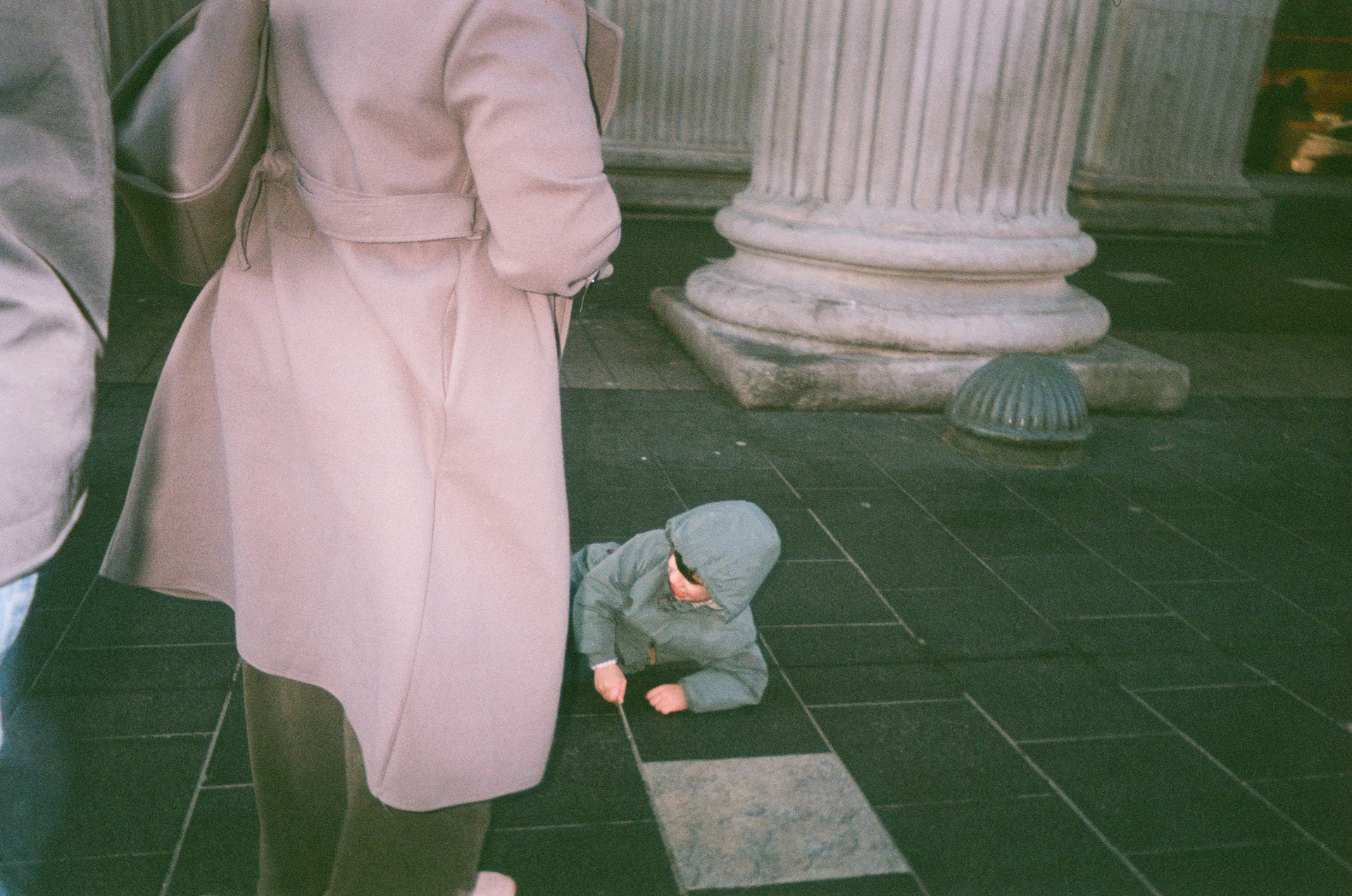
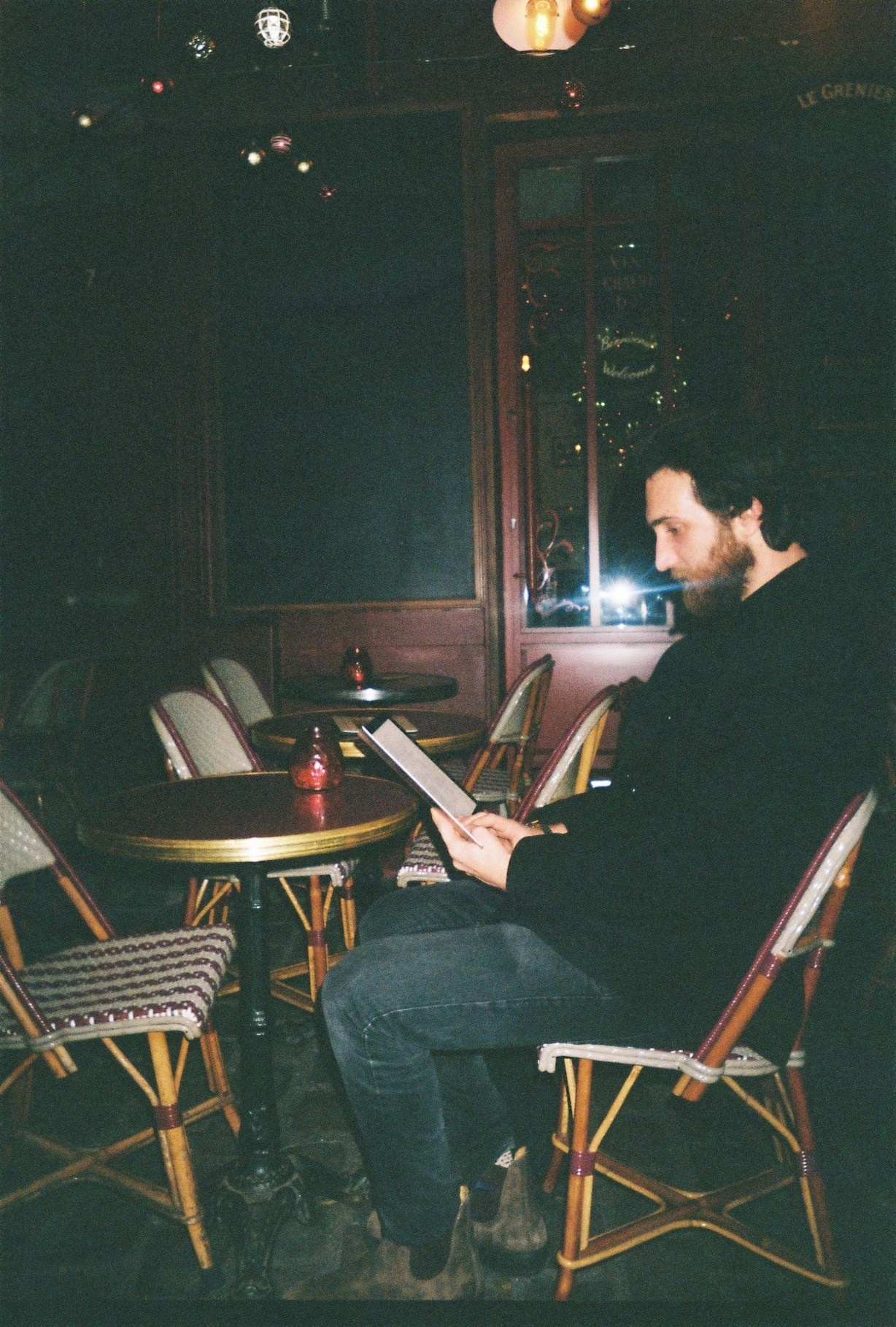
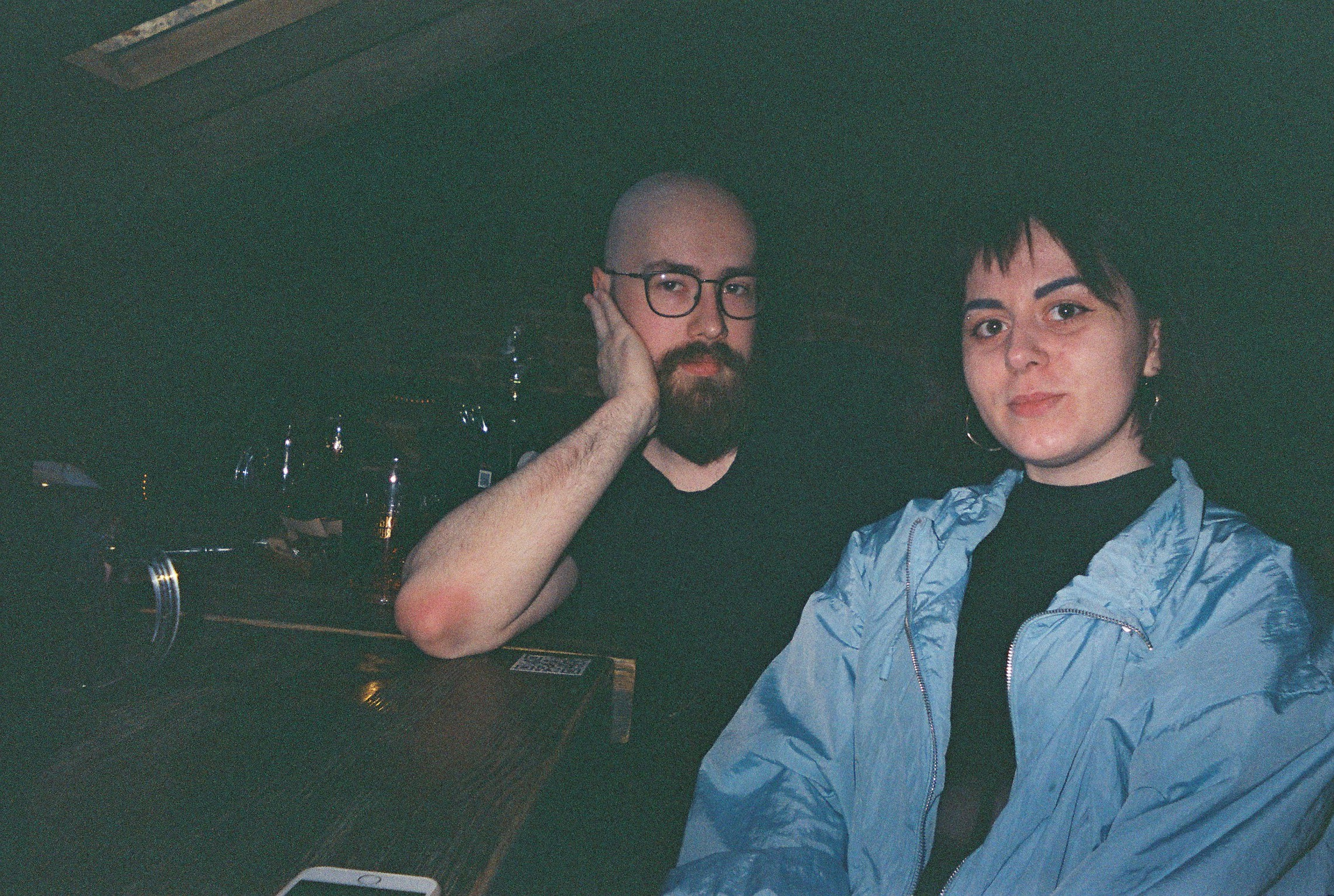
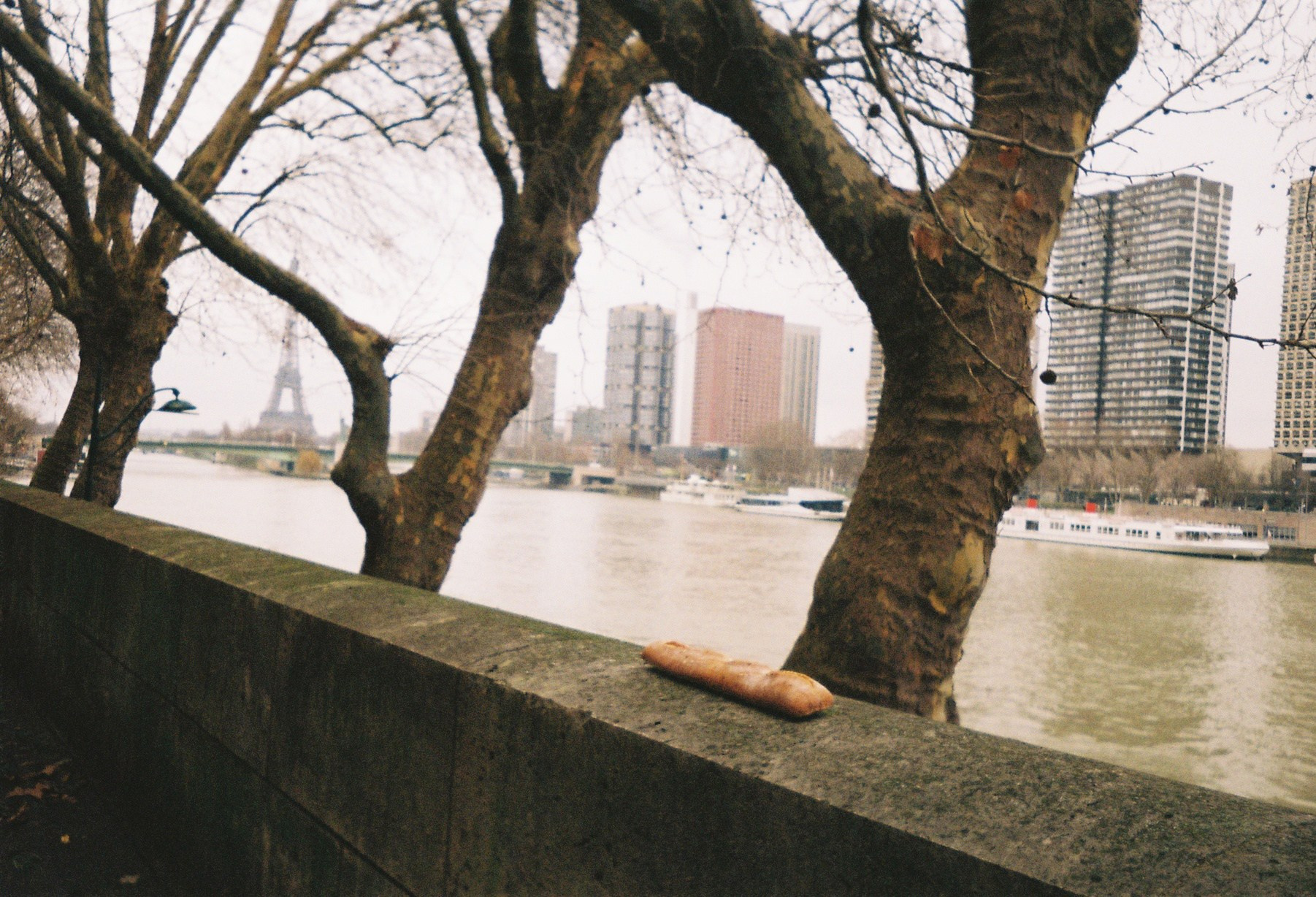
The vibe shift is loud. People are literally going back to digicams, compacts, camcorders, and flash-on purpose, because hyper-polished content is giving “algorithm prison.” The comeback is real enough that camera industry press is tracking compact camera sales and the renewed obsession with simple point-and-shoots. Even Vogue is writing about the camcorder revival for that messy, guest-eye, “I was actually there” feeling.
And when the cultural taste shifts toward raw, nostalgic, candid, it does something important:
It widens the definition of “beautiful.” Character becomes the flex.
Photographers don’t see “a person, ” they see a photo waiting to happen
Normal life gives you:
- overhead kitchen lighting, aka emotional damage
- iPhone at 30cm from your face, aka distortion
- one rushed photo where you’re mid-blink, aka slander
A photographer sees the same human and thinks:
- change distance
- calm the background
- shape the light
- wait for the face to drop the “please like me” mask
That’s why “everyone is beautiful” is believable in a photographer’s mouth. It’s not a compliment, it’s workflow.
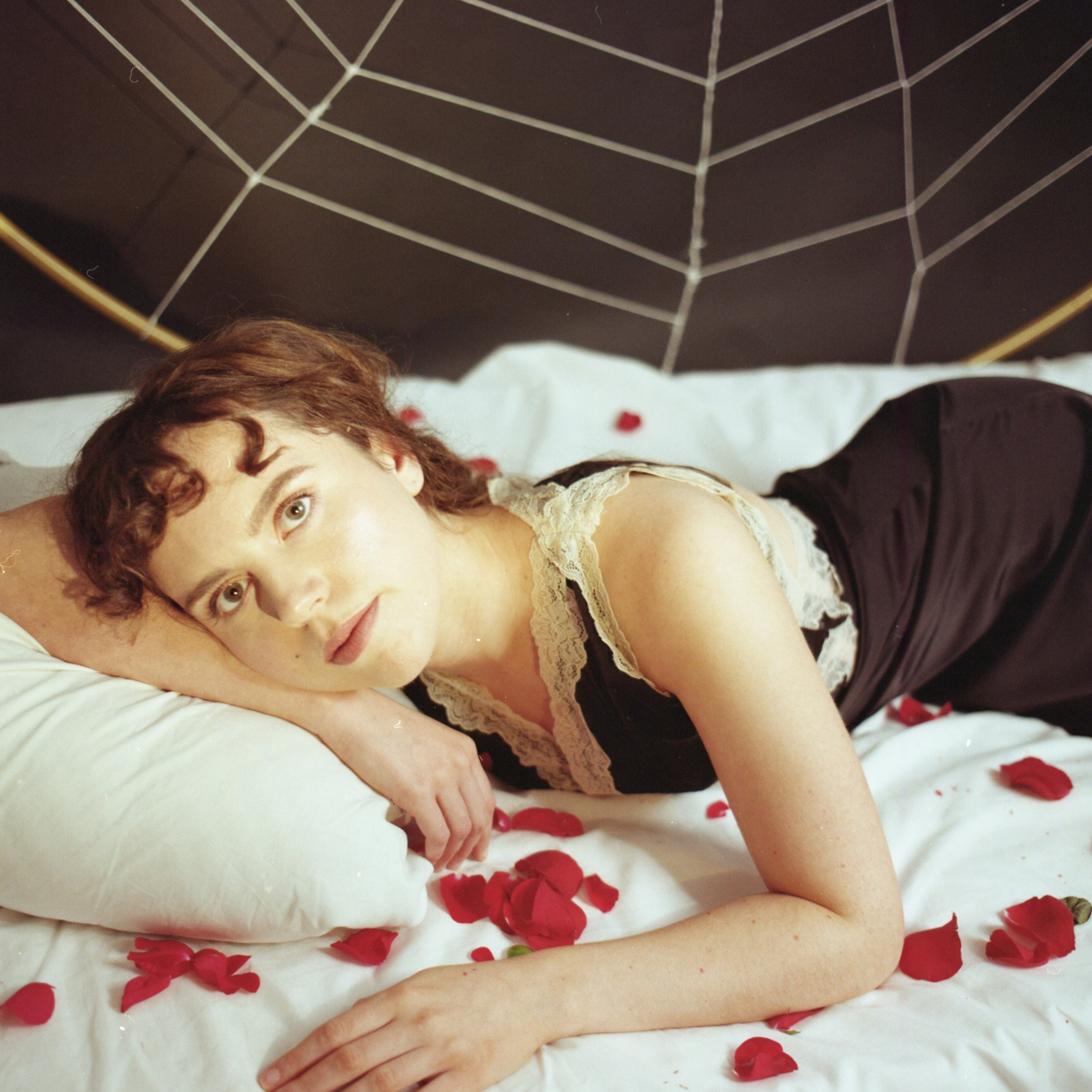
Your phone is the villain, sorry
There’s research (Rutgers/Stanford modelling) showing that close-range selfies can distort facial proportions; headlines often summarise it as noses looking up to ~30% wider at ~12 inches versus a standard portrait distance around 5 feet.
Separate work also finds measurable changes in nose/chin ratios at short selfie distances.
So when someone says “I’m not photogenic, ” I translate it as:
“I’m used to seeing myself through a tiny wide-angle funhouse mirror.”
Photographers fix it automatically by stepping back and shooting like a sane person.
“Everyone is beautiful” also means photographers don’t worship one beauty standard
A lot of people think beauty is one narrow template. Photographers, especially fashion/editorial photographers, tend to switch the question from:
“Is this person conventionally attractive?”
to
“What’s distinctive, what’s strong, what’s visually alive?”
In modern culture, that’s also the trend, less “perfect face, ” more character casting, more “I’d remember them.”
Why photographers genuinely believe everyone is beautiful
- They know how to remove distortions (distance matters).
- They build clean visual conditions, your brain rewards that.
- They wait for you to relax, then shoot the real you.
- They’re trained to value character, not templates.
- 2026 taste is shifting toward candid, nostalgic, lo-fi honesty anyway, so more people “fit” the moment.
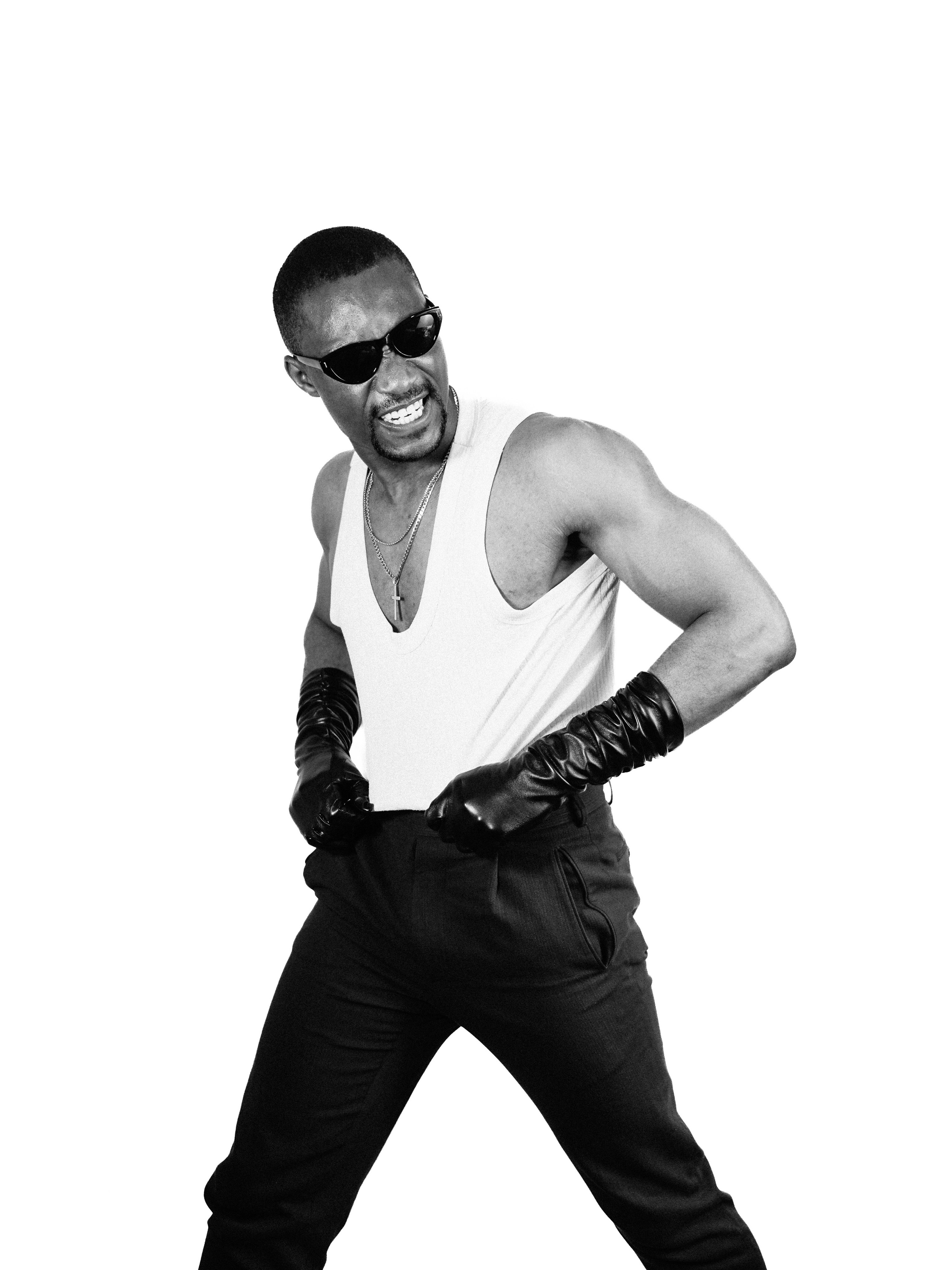
The photographer cheat code: time
Here’s what actually makes people look stunning:
People settle
The first minutes are stiff. Then the shoulders drop, the jaw unclenches, the eyes stop performing. That’s when the face gets good.
The best frame is never the first frame
Photographers shoot through the awkward. You get the frame where you look like yourself, but calmer.
Duration is half the art
You don’t see the 300 “meh” photos. You see the 20 that hit. That’s not lying, that’s editing.
“Everyone is beautiful” is cringe when it’s a slogan.
In photography, it can be literal, because beauty is often a result of conditions, not permission.
If you want to chat, tell me one thing:
Which type of photo makes you spiral the fastest? Event candids, group shots, full-body, passport-style, or “someone tagged me without warning.”
Email me a sentence: amelpomenem@gmail.com

Photographers Think Everyone Is Beautiful, and It’s Not Toxic Positivity

A Bothan*, A Lens, and Women Taking Up Space
